We are often asked by buyers and sellers alike: how long does it take to close on my timeshare? The answer varies greatly depending on the property purchased. In this article, we discuss general timelines for closing, as well as explain, step by step, the process involved in the transfer of the property.
Unfortunately, there’s no one-size-fits-all answer to how long a timeshare transfer takes, as it can vary depending on several factors. However, we can explore a general timeframe and highlight the key factors that influence the overall timeline.
The transfer and closing process involves legal paperwork, title transfers, resort approvals, and various administrative processes. The following steps are involved in closing:
The individual steps required in the transfer process can vary depending on whether the property is deeded or right to use. Deeded properties require a notarized deed of transfer to be recorded with the county, which adds to the process timelines. It also depends on the location of the property and the specific rules of the developer/resort. Below, we detail each step.
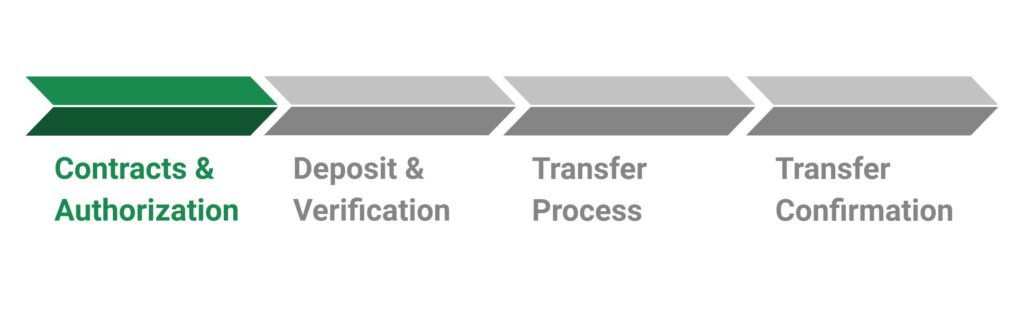 Contracts & Authorization
Sale / Purchase Contracts & Forms Are Prepared for Buyers & Sellers to Sign
Once an agreement is reached between the seller and the buyer regarding price and the conditions for the transfer of the property, a purchase agreement and related documents must be prepared. The sale / purchase agreement, signed by both the seller and the buyer, is best practice to ensure clarity of the terms and conditions of the agreement.
The purchase agreement can be executed in hard signatures, or it can be signed electronically. Electronic signatures should be collected using recognized, valid digital signature software programs. Click to expand the section below to view the information that can be found within a sale / purchase agreement.
Developer-Specific Authorization Forms
In addition to the sale or purchase agreement, sellers and / or buyers may have to sign additional associated forms. Certain developers, such as Marriott Vacation Club, require a specific authorization form to be signed by the seller. This form allows the release of information regarding the property to the closing company and the licensed broker. This authorization ensures that the title company and the broker are able to verify the details of the property to be transferred and can handle the close of the transaction.
Documents Are Sent to the Closing Company
Once all parties have signed and returned the sale / purchase agreement and any associated forms, documents will be sent to a title / closing company that specializes in timeshare closings to begin closing procedures. The closing company is also provided with contact information for buyers and sellers. Contact information includes e-mail addresses, physical mailing addresses and phone numbers.
Certain developers may also require copies of identification documents from buyers and sellers as part of the transfer process. It is not uncommon to be required to submit a copy of the driver’s license or another identification document. In this case the closing company will also collect copies of these documents.
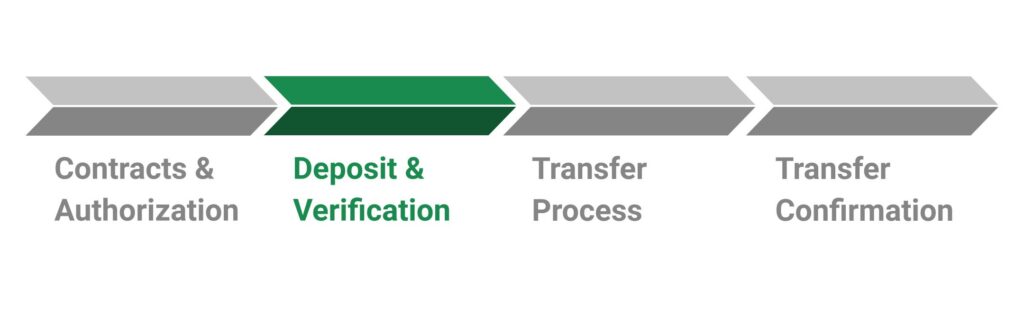 Deposit & Verification
The Closing Company Collects the Buyer’s Deposit
Once the closing company receives documents, they will reach out to the buyers to collect the deposit necessary to start the work to transfer the property. The amount of the deposit is specified in the sale / purchase agreement. The deposit is credited by the closing company towards the total cost for the buyers to purchase the property.
The Closing Company Requests a Waiver for the Right of First Refusal (if applicable)
Certain developers have a right of first refusal. The right of first refusal is a clause in many timeshare contracts that allows the timeshare developer the option to purchase the timeshare back from the owner before they sell it to a third party. In simple terms, it means that if you decide to sell your timeshare, the developer gets the first chance to buy it back at the same price offered by a prospective buyer.
If you’d like to learn the process, get expert tips, and discover key insights on Right of First Refusal, read our comprehensive guide for timeshare buyers & sellers here: Right of First Refusal: Everything Timeshare Buyers & Sellers Need To Know.
The closing company will submit a request to the developer when applicable so that the transaction can move forward if waived. The sale / purchase agreement is included in the request, together with any other applicable information required by the developer.
Some developers respond with a decision on the right of first refusal request within a few days whereas others can take six weeks or longer. This is one of the steps that, when applicable, can extend the length of the closing process.
What happens if the property is bought back by the developer?
Should the developer exercise their right of first refusal, the buyers will be refunded their deposit without any penalties. The sellers will then move on to sell their property to the developer under the same terms and conditions as the buyers. We often work with the buyers at this point to find them another suitable property.
The only difference is that the new buyer is now the developer. Some developers, such as Breckenridge Resorts, allow the closing company to handle the transfer of the paperwork. In this case, all of the subsequent steps outlined below apply as described. However other developers, such as Marriott, use their own closing department to finalize the transaction. In this situation, the seller will receive documents, including closing statements and applicable transfer documents, directly from the resort. We highly advise our clients to review these documents with their licensed broker before signing them to ensure accuracy and compliance with the terms and conditions of the purchase agreement.
The Closing Company Verifies Property Information: Title Check, Financial and Use Estoppels
The closing company performs all of the necessary actions needed to verify the details of the property being transferred. The typical elements being checked will include ensuring that the mortgage is paid, as well verifying elements such as next usage available, the status and amount of maintenance fees, any existing reservations to be transferred, the unit size, the view category, the season, or the amount of points, if applicable.
This information is typically obtained from the resort through the request and receipt of financial and usage “estoppel.” An estoppel is a critical part of the timeshare transfer process because it allows the resort to confirm the details of the ownerships. Most developers charge a fee in order to prepare an estoppel letter.
A title check is performed for deeded properties when the buyer purchases optional title insurance. A title check ensures that there are no liens or inaccuracies in the chain of ownership transfer that would cloud the buyers’ title.
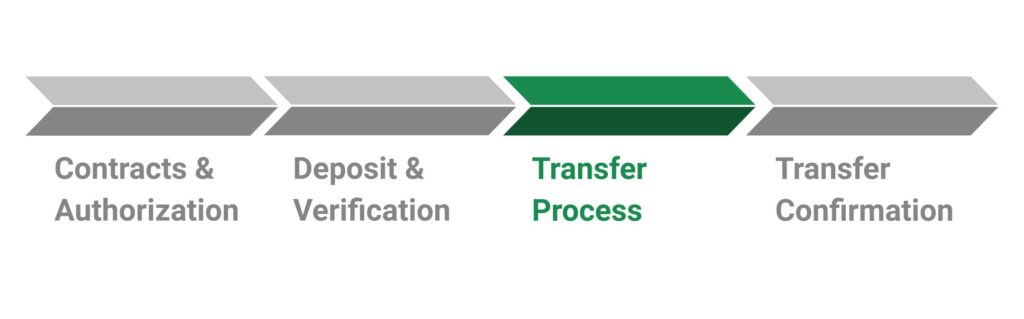 Transfer Process
The Closing Company Prepares Transfer Documents
When all of the above steps have been completed as applicable, the next action is to prepare transfer documents. Transfer documents vary from resort to resort and may include the preparation of a deed of transfer for deeded properties together with any county required property transfer forms. Other transfer forms may be required by the resort. If the ownership belongs to RCI, the closing company may also prefer RCI transfer forms.
Note that some developers will send paperwork directly to buyers and sellers to execute. In this situation, the closing company will alert the respective parties that they should expect to receive documents to execute directly from the resort.
Buyer & Seller Sign Closing Documents; Buyer Sends Final Funds to Closing Company
The closing company sends documents to sellers and buyers to execute. It is quite common for sellers to need to notarize transfer documents. In rare situations, developers / resorts will allow a verified signature, meaning that the seller can sign their name in the presence of a witness without needing to notarize the transfer documents, however, this is quite rare. Typically the seller must notarize either a deed of transfer or a certificate of ownership transfer in the format required by the resort.
The buyer also sends final funds to the closing company. The buyer will receive a closing statement showing the total amount due after being credited for the initial deposit. The seller will also receive a settlement statement showing the expected proceeds after closing.
Our licensed brokers review the closing documents for accuracy before the title company sends them to buyers and sellers. We ensure that all documents are correct per the purchase agreement and both buyers and sellers are protected.
For Deeded Properties, the Closing Company Sends the Deed to Recording
If the property being transferred is a deeded property, the closing company will send the deed to recording to the county. This process can take anywhere between a few days and a few months depending on the county where the property is located.
Transfer Documents Are Sent to the Developer / Resort
At this point, transfer documents can be sent to the developer/resort. The final package for transfer will include as applicable the notarized deed, any required transfer forms from the resort as well as any transfer fees made payable to the developer/resort.
The file is now sitting with the developer/resort for transfer. This step can take anywhere between a few days and a few months. The typical time for a developer to complete a transfer once they receive the documents is three to six weeks, however some developers can take months to process the request and confirm the transfer completion.
 Transfer Confirmation
Confirmation of Transfer is Received
The developer / resort will send a transfer confirmation to the closing company. At this point the closing company will notify sellers, buyers and the broker that the transfer has been completed. The buyer can call the resort to verify the ownership information and set up an online account for access to ownership information when applicable. Some resorts will also send a welcome packet with information directly to the new owner. Some resorts may also send the seller a confirmation of transfer.
Seller Receives Funds from Escrow and Final Closing Statements
Once the transaction has closed, the seller will receive funds from escrow and any applicable final closing statements.
Last but not least, once a transaction has closed, Premier Timeshare Resale requests feedback from our sellers and buyers to ensure that the closing process has met their expectations for customer service. We continuously strive to improve communication throughout the closing process to ensure a smooth and fast transaction. We rely on our customers satisfaction and their repeat business referral for the future, hence feedback is very important.
Factors Affecting Transfer Time
- Method of Transfer: Buying or selling through a Broker can help facilitate a smooth transfer process, due to the fact that Broker involvement helps streamline paperwork and handle communication.
- Response Time: The speed of both the buyer and seller in reviewing, signing, and returning documents significantly impacts the overall pace. Delays from either party can extend the process.
- Resort Approval: Some resorts require additional paperwork and approval processes for ownership transfers, which can add additional time to the transfer process.
- Deed Recording: Registering the transfer with the relevant county office can take anywhere from a few days to several weeks, depending on their workload.
Tips for a Quick & Seamless Transfer Process
- Choose an experienced broker: Their expertise can shorten the process and navigate any potential complications. Premier Timeshare Resale has over 20 years of experience in the timeshare resale industry, with a stellar track record of helping our clients achieve a seamless transfer process.
- Respond promptly to requests: Delays on your end can significantly impact the timeline.
- Stay organized: Keep all documents and paperwork well-organized for easy access.
- Ask questions: Don’t hesitate to reach out to your broker if you have any questions or concerns.
We hope this information helps you understand the timeline of transferring a timeshare, and how long closing can take. Please remember, any mention of specific timeframes are simply general guidelines. It’s best to consult with a timeshare broker regarding your specific situation for a more accurate timeframe and guidance.
As always, feel free to fill out a contact form for a free consultation with one of our licensed Real Estate agents. Our team of timeshare experts are happy to answer any remaining questions regarding timeshare resale or the process of transferring a timeshare on the resale market.
Why Choose Premier Timeshare Resale?
Over 600 Listings
Choose from all the popular name-brand developers like Marriott, Hilton, Vistana, Westgate, Breckenridge, and many others!
20+ Years Experience
Rely on our team of timeshare experts who have extensive experience with all the most popular timeshare brands.
Seamless Experience
Our track record of 5-star reviews, spanning over 20 years, proves that our team takes service, professionalism and transparency seriously.